Quick answer
New businesses fund equipment through unsecured working-capital loans, equipment-specific finance or, where there's property equity, a secured business loan. For the 2025–26 year, the ATO's instant asset write-off lets businesses with aggregated turnover under $10 million deduct eligible assets under $20,000 each, if first used or installed ready for use by 30 June 2026. Tax treatment shouldn't drive the purchase, but it can shape timing.
Key points
- Buy gear that directly lifts capacity, quality or margin — not gear that just feels like progress.
- The $20,000 instant asset write-off applies per asset for 2025–26, for turnover under $10 million.
- Newer businesses without trading history may need property security or a strong personal position.
- Compare the total cost of owning versus leasing, not just the monthly figure.
- Instant asset write-off
- Under $20,000 per asset (2025–26)
- Turnover limit
- Aggregated under $10 million
- Property-secured
- $20k – $5m
- Credit check to enquire
- None
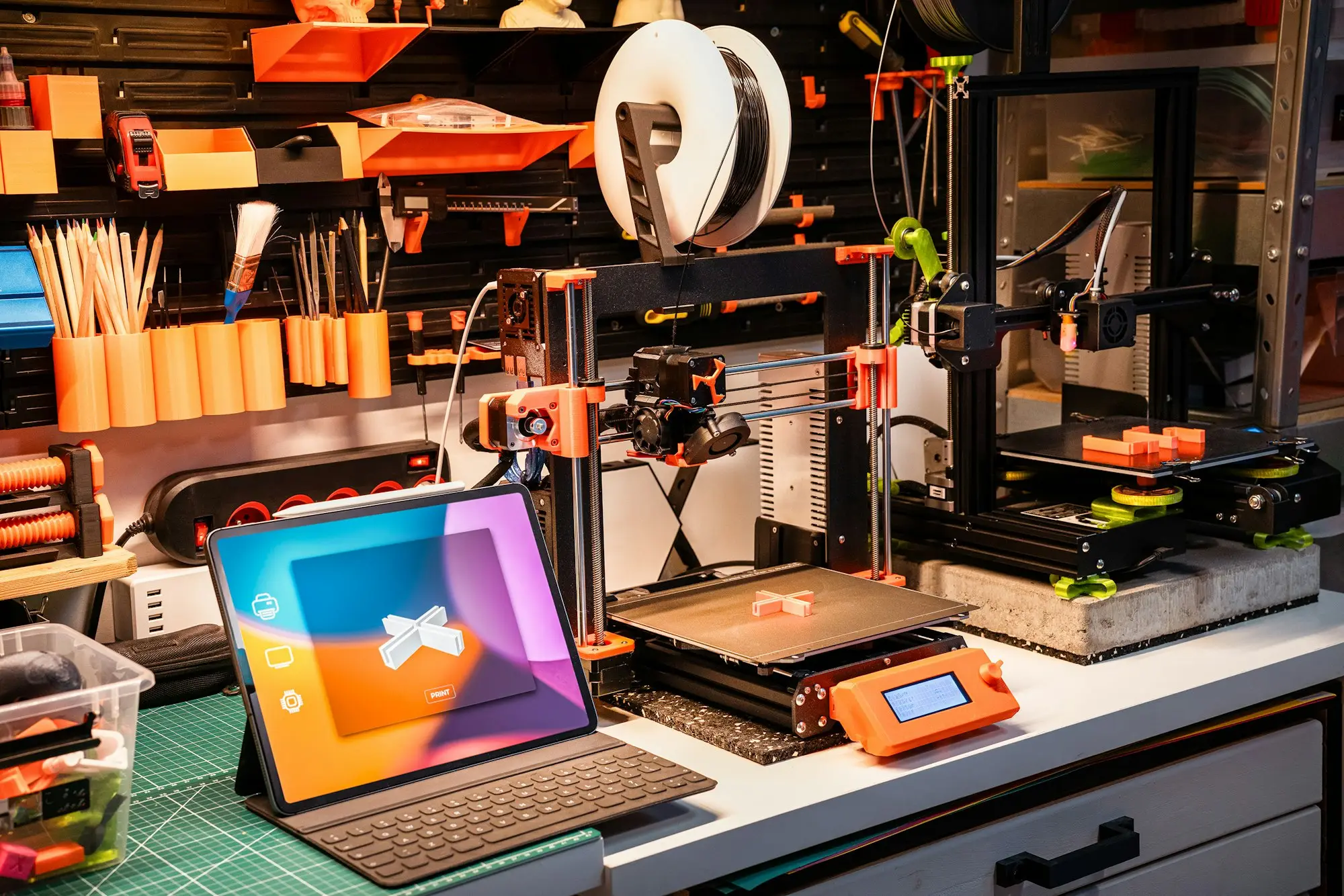
The right piece of equipment can change what a young business is capable of. A second 3D printer doubles output. A proper camera and lighting kit lifts content quality enough to win brand deals. A commercial label printer and packing bench can halve the time each order takes. The question is how to pay for it without draining the cash the business runs on.
What kind of equipment do young businesses fund?
The gear varies wildly by business model, but most requests fall into a few buckets:
| Business type | Typical equipment |
|---|---|
| Online stores | Label printers, scales, packing benches, shelving, barcode scanners |
| Creators | Cameras, lenses, lighting, audio, editing machines, studio fit-out |
| Makers | 3D printers, laser cutters, kilns, sewing machines, heat presses |
| Food and drink brands | Commercial kitchen gear, filling and labelling machines, cool rooms |
| Service startups | Laptops, specialised software set-ups, vehicles for site work |
The best purchases share one trait: they directly lift capacity, quality or margin. Gear that mostly makes the business feel more real, but doesn’t change what it can produce or sell, is harder to justify with borrowed money.
How does the instant asset write-off affect timing?
For the 2025–26 income year, the ATO confirms that businesses with aggregated annual turnover under $10 million can immediately deduct the business portion of eligible assets that cost less than $20,000 each. The asset must be first used or installed ready for use between 1 July 2025 and 30 June 2026. The limit is per asset, so several qualifying items can each be written off.
Two cautions. First, a deduction reduces taxable income; it isn’t a refund of the purchase price. Second, buying something you don’t need just to claim a deduction is still spending money you don’t have to spend. Let the business case drive the purchase, and let the write-off shape the timing if you were buying anyway. Your accountant can confirm how it applies to you.
How do lenders look at equipment for a new business?
The options depend mostly on how long you’ve been trading and whether you own property.
Established trading, no property. If the business has a run of steady statements, an unsecured loan or line of credit sized on turnover can cover equipment along with other working capital. These typically range from $5,000 to $500,000.
Newer business, property equity. A property-secured business loan from $20,000 can fund equipment where trading history is still thin, because the security carries more of the weight. The trade-off is putting that property on the line, so the plan needs to hold up.
Specialist equipment funders. Some lenders finance the asset itself, particularly vehicles and machinery with a strong resale market. Niche creator or maker gear can be harder to fund this way.
If you know the equipment and the amount, see what you might qualify for. It’s a short enquiry with no credit check.
Should I buy, lease or borrow?
There isn’t one right answer, but the comparison is simple if you’re disciplined about it:
- Buy outright with cash when the gear is cheap relative to your cash position and you won’t need that cash for stock or ads soon.
- Borrow to buy when the gear will last well beyond the loan term and directly lifts revenue or margin.
- Lease when the tech dates quickly, when you might need to upgrade within a couple of years, or when preserving cash matters most.
Compare the total dollar cost over the period you’ll actually use the equipment, not the monthly figure. A low monthly payment over a long term can cost more overall.
Illustrative example: a maker’s second production machine
Illustrative only. A Melbourne maker sells custom 3D-printed homewares and has a four-week order backlog. A second commercial printer, spare parts and a ventilated enclosure would cost about $14,500 installed. The business has traded for 11 months with steady statements through a business account.
The maker estimates the second machine will clear the backlog in six weeks and lift monthly contribution by about $2,800. Because each item is under $20,000 and the machine will be installed before 30 June, the write-off may help at tax time, subject to her accountant’s advice. The funding conversation centres on whether the extra contribution comfortably covers repayments, which, on these numbers, it does.
What paperwork helps an equipment request?
The clearer the picture, the faster the answer. For an equipment purchase, have these ready:
- A quote or invoice from the supplier, with model, price and delivery or installation costs.
- What the equipment does for the business, in a sentence or two: more output, better quality, new product line.
- The expected lift, even roughly: extra orders per month, time saved, or higher prices you can charge.
- Business bank statements, usually the last six months or so.
- Details of any property you might offer as security, if trading history is short.
For creators, a list of current brand partnerships or platform income helps show how gear links to revenue. For makers, a backlog or waitlist is persuasive evidence that more capacity would sell. Keep receipts and records for tax purposes too; they support any write-off claim at the end of the year.
If you’re very new, read business loan with under six months trading for how lenders see early-stage equipment requests.
Equipment that earns its keep
If a piece of gear would unlock more output, better quality or healthier margins, it’s worth finding out how to fund it sensibly. Start your enquiry in about a minute. Asking is free of any credit check, one specialist handles it rather than a list of lenders, and a real person will call to walk through the options. Please fill in the form as accurately as you can — especially time trading, turnover and any property — so we can match you the first time. Creators may also want to read creator business finance, and makers marketplace and maker loans.
Frequently asked questions
Can a startup get equipment finance with no trading history?
It's harder, because there's no track record to size repayments against. Some equipment funders lend on the asset itself, while property-secured business loans can work for founders who own property with equity. A deposit, a clear business plan and a strong personal credit history all help.
How does the $20,000 instant asset write-off work?
For 2025–26, businesses with aggregated annual turnover under $10 million can immediately deduct the business portion of eligible assets costing less than $20,000 each, if first used or installed ready for use between 1 July 2025 and 30 June 2026. It applies per asset, so several qualifying items can each be written off.
Is it better to buy or lease equipment?
Buying usually costs less over the life of long-lasting gear and you own the asset. Leasing can suit tech that dates quickly or when cash is tight. Compare the total cost of each over the time you'll actually use the equipment.
What equipment do creators and online sellers usually fund?
Cameras, lenses, lighting and audio for creators; label printers, packing stations, shelving and scales for online stores; 3D printers, cutters, kilns and sewing machines for makers; and laptops and software set-ups for almost everyone.
Can I include installation and fit-out in the funding?
Often yes. Delivery, installation and the fit-out needed to use the equipment are part of getting it working. Include them in the amount you ask for so you're not left short on the last step.