Quick answer
Pop-up shop funding covers the costs of taking an online brand into physical retail: rent or site fees, fit-out, extra stock, point-of-sale gear and staff. Treat a pop-up as a measured test with a clear budget and end date. Australian founders typically use a short-term unsecured facility sized on turnover, or property-secured funding if the step is larger, such as a first permanent store.
Key points
- A pop-up is a test — set a budget, a timeframe and the numbers that decide what happens next.
- Fit-out that can move with you is easier to justify than fit-out left behind.
- Stock for a physical store is on top of online stock, not instead of it.
- A permanent store is a much bigger commitment than a pop-up; fund it accordingly.
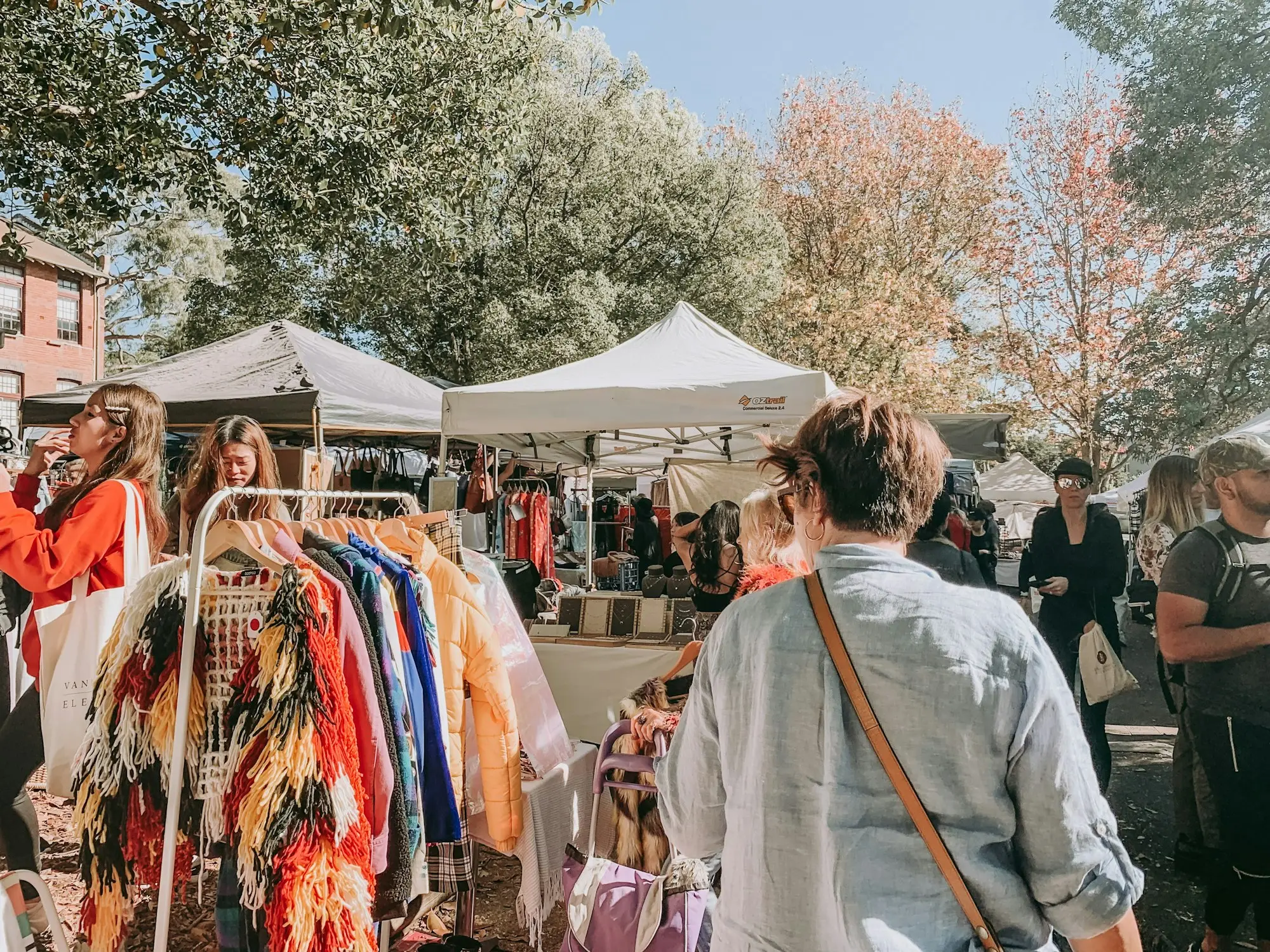
For online brands, a physical presence can do things a website can’t. Customers touch the product, try the sizes and meet the people behind the brand. A pop-up can build email lists, lift online sales in the surrounding area and tell you whether a permanent store is worth the risk. It also costs real money up front, which is where funding comes in.
What does a pop-up actually cost?
Pop-up budgets are easy to underestimate because the small items add up. A realistic list includes:
| Cost | Notes |
|---|---|
| Rent or site fee | Short-term retail leases and shopping-centre casual leasing vary by location and season |
| Bond or deposit | Often required up front, returned later |
| Fit-out and signage | Shelving, racks, lighting, counters, window graphics |
| Point-of-sale | Card reader, tablet, receipt printer, POS software |
| Extra stock | Enough to make the space look full, on top of online stock |
| Staff | Wages, super and workers compensation if you employ someone |
| Insurance | Public liability and contents cover for the site |
| Marketing | Launch event, local ads, signage for foot traffic |
The fit-out is where money disappears. Wherever possible, choose pieces you can reuse: freestanding racks, modular shelving and portable lighting move with you to the next pop-up or a permanent store.
How do I treat a pop-up as a proper test?
The best pop-ups are run like experiments. Before you sign anything, decide:
- The budget — the total you’re prepared to spend, including stock that might not sell.
- The timeframe — a few weeks around a peak like Mother’s Day or Christmas, or a few months to see a normal trading pattern.
- The measures — in-store sales per week, cost per customer, email sign-ups and online sales from local postcodes during and after.
- The decision rule — what numbers would justify a longer lease, another pop-up elsewhere, or going back to online only.
This turns a pop-up from a leap of faith into data. It also makes the funding conversation easier, because you can explain exactly what the money is for and how you’ll know if it worked.
If you’ve costed a pop-up and want to see how to fund it, start a 60-second enquiry. Asking doesn’t involve a credit check.
How would a lender look at funding a pop-up?
A short lease isn’t much of a track record, so lenders mostly look at the business behind it: your online turnover, bank statements, margins and any existing debts.
- Established online sellers with steady statements may qualify for an unsecured loan or line of credit, typically $5,000 to $500,000, sized on turnover.
- A larger step, such as a first permanent store with a multi-year lease and a full fit-out, may suit a property-secured business loan from $20,000 if you own property with equity.
- Newer brands may find a market stall or shared retail space a cheaper first test that doesn’t need much funding at all.
Illustrative example: a fashion label’s December pop-up
Illustrative only. An online fashion label with 14 months of trading takes a six-week casual lease in a busy shopping strip for December. Costs include site fees and bond of $9,500, reusable racks and lighting of $4,200, point-of-sale of $900, extra stock of $11,000 and a casual staff member for weekends.
The founders set a clear test: in-store sales must cover the site fee and staff at least one-and-a-half times, and online orders from nearby postcodes should rise noticeably. They fund the fit-out and extra stock from a facility sized on their online turnover, and keep the racks for the next pop-up. After six weeks, they have real numbers on whether a permanent store makes sense, and the kit to do it again.
What if I’m hiring for the pop-up?
Staff turn a pop-up from a weekend project into a job. If you employ someone, you’ll need to meet the usual obligations: super at 12% of qualifying earnings, workers compensation, the right award rates and Single Touch Payroll reporting. The first hire funding page explains how to plan the cost, and business.gov.au has a full guide to hiring employees.
Can a pop-up make my online sales grow too?
Often it can, and that’s one of the most useful things to measure. A physical presence tends to lift brand searches and direct visits from the surrounding area. Customers who touched the product in person may buy again online, where your margins are usually higher.
To capture this properly:
- Collect emails and phone numbers at the counter, with permission, so you can market to in-person buyers later.
- Track online orders by postcode before, during and after the pop-up.
- Use a pop-up-specific discount code for follow-up online orders.
- Ask how people heard about you, and note it.
When you assess whether the pop-up worked, add the lift in online sales to the in-store takings. A site that only just covers its costs in person can still be a strong result if it creates a wave of new online customers.
Product brands weighing retail more broadly should also read DTC brand funding.
Test the real world with the right backing
A well-run pop-up can pay for itself in data alone, and sometimes in sales too. If you’re ready to take your brand offline for a while, tell us what you’re planning. There’s no credit check to ask, your enquiry stays with one person instead of being circulated to lenders, and a real human will call to talk through your budget. Please fill in the form accurately, particularly online turnover, months trading and any property, so we can suggest an option that fits. If fit-out is the biggest line, see equipment finance for a new business too.
Frequently asked questions
How much does a pop-up shop cost?
It varies hugely with location, length and fit-out. The main costs are rent or site fees, bond, fit-out and signage, extra stock, point-of-sale hardware, insurance and staff. Build a line-by-line budget before approaching anyone for funding.
Can I get a loan for a short-term retail lease?
Business funding can cover pop-up costs where it's for business purposes. A lender will be more interested in your online trading history and how the business will meet repayments than in the pop-up itself, since a short lease isn't much of a track record.
Is a market stall a good first step before a pop-up?
Often, yes. Weekend markets and events are a cheaper way to test how your product sells in person, which sizes and colours move, and whether customers follow you back online.
What should a pop-up prove before I sign a permanent lease?
At minimum, that in-person sales cover the site's costs with room to spare, that customers come back or buy online afterwards, and that you can staff it without the online business slipping.