Quick answer
Moving to a third-party logistics provider frees founders from packing but adds costs and a cash dip: onboarding fees, freight to the warehouse, pick-and-pack charges and extra stock to fill a second location. Many Australian online stores fund the switch from cash flow or a line of credit sized on turnover. Compare the 3PL's per-order cost with your true in-house cost, including your time.
Key points
- Your in-house fulfilment cost includes your own time — price it honestly.
- The switch brings one-off costs: onboarding, freight in, integration and extra stock.
- 3PL fees change your contribution per order; rerun your unit economics.
- A smooth switch protects customers; a messy one costs reviews and repeat orders.
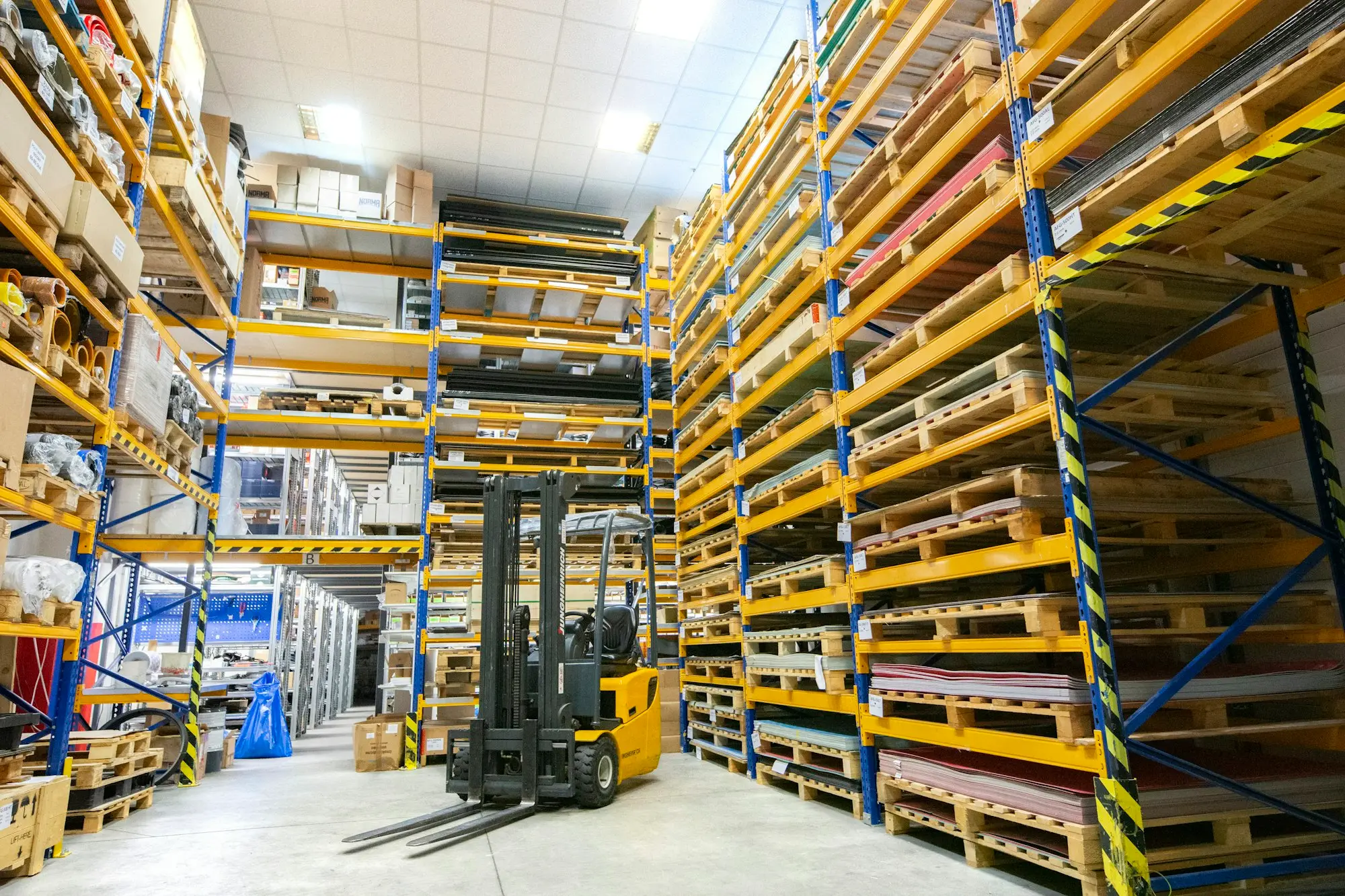
Almost every online store starts in a spare room, a garage or a small unit. At some point, packing orders stops being part of the job and becomes the job. That’s usually when founders start looking at a third-party logistics provider, or 3PL. The move can transform the business, but it comes with costs and a cash dip that deserve a plan.
How do I know it’s time to move to a 3PL?
There’s no single trigger, but these signs tend to arrive together:
- You spend more hours packing than on marketing, product or partnerships.
- Orders ship late in busy weeks and customer service complaints rise.
- Stock has outgrown the space, and you’re turning down bigger orders because of it.
- Customers in other states wait too long, and you’re losing sales on delivery time.
- You’re thinking about hiring a packer, and wondering whether a 3PL would be simpler.
That last point is worth weighing carefully. A first hire and a 3PL solve the same problem in different ways. The first hire funding page covers the hiring route; this page covers outsourcing.
What does the switch really cost?
A 3PL quote usually lists ongoing fees. The switch itself has one-off costs that are easy to miss:
| One-off costs | Ongoing costs |
|---|---|
| Onboarding or set-up fee | Receiving fees when stock arrives |
| Freight to move stock into the warehouse | Storage per pallet, bay or shelf |
| Integration with your store and inventory system | Pick-and-pack fee per order |
| Relabelling or barcoding stock if needed | Packaging materials |
| Extra stock to cover the transition | Shipping to customers |
| Your time planning and testing | Returns handling |
The transition stock is the sneaky one. While stock is in transit to the 3PL and being received, you may need extra units on hand to keep shipping. If you’re keeping some stock at home for local orders or content, that’s a second location to fill.
Does a 3PL make my unit economics better or worse?
It depends on what you compare it with. Many founders compare the 3PL’s per-order fee with the cost of their mailer box and label, and conclude it’s expensive. The honest comparison includes:
- Your time, valued at what you’d otherwise earn or what a packer would cost.
- Space — rent, or the cost of the room you’ve given up.
- Errors and delays, which cost refunds, reorders and repeat customers.
- Shipping rates, which a 3PL may negotiate better than you can at your volume.
Rerun your contribution per order with the 3PL’s fees in the ad-spend payback calculator. If break-even ROAS rises a lot, you may need to adjust pricing, bundle products or raise your free-shipping threshold.
Planning the switch and want to see how the one-off costs could be funded? Start an enquiry. It’s quick and doesn’t involve a credit check.
How do founders usually fund the move?
- Cash flow, if the one-off costs are small relative to monthly contribution.
- A line of credit sized on turnover, typically within $5,000 to $500,000, to cover onboarding, freight in and transition stock, then repaid over the following months.
- A larger facility, possibly property-secured from $20,000, if the move is part of a wider step up, such as a new product range or wholesale expansion at the same time.
Illustrative example: a supplements brand leaves the garage
Illustrative only. A Brisbane supplements brand ships about 1,400 orders a month from the founder’s garage. The founder values her packing time at about $3,500 a month, plus a casual helper on busy days. A 3PL quote comes in at a similar monthly total at current volumes, with faster delivery to Sydney and Melbourne.
One-off costs add up to about $8,500: onboarding, freight in, integration and a month of transition stock. She funds that from a small facility, repaid over four months. The real gain is time: she spends it launching a subscription option that lifts repeat orders, which improves CAC payback across the board.
What should I ask a 3PL before signing?
A good fulfilment partner will happily answer detailed questions. A few worth asking:
- How are fees calculated for my actual order mix? Ask for a quote built from last month’s real orders, not a sample basket. Multi-item orders, fragile products and oversized parcels are often priced differently.
- What are the minimums? Some providers charge a monthly minimum regardless of volume, which matters in quiet months.
- How fast is receiving? Stock that sits unreceived for a week can’t be sold.
- Which platforms do they integrate with? A clean connection to your store keeps inventory counts accurate.
- What happens at peak? Ask how they handled last November and December, and whether there are cut-off times or surcharges.
- How easy is it to leave? Understand notice periods and the cost of moving stock out.
Get the answers in writing and put the numbers into your forecast before you commit. A 3PL that looks cheaper per order but charges heavy minimums can cost more for a smaller store than one with a slightly higher pick fee and no floor.
If the switch lines up with your busiest months, read Black Friday and Christmas stock funding first — moving warehouses in November is rarely a good idea.
Hand off the packing, keep the momentum
A 3PL can give a founder back the hours that growth needs. If the one-off costs are the hurdle, tell us what the switch involves. There’s no credit check to enquire, your details go to a real person rather than a list of lenders, and we’ll call to work through the timing. Please fill in the form carefully, especially monthly revenue and time trading, so we can match you properly the first time.
Frequently asked questions
When should an online store move to a 3PL?
Common signs include the founder spending more time packing than growing, orders going out late in busy weeks, running out of space at home, and wanting faster delivery to other states. The numbers should show the 3PL's per-order cost is reasonable against your true in-house cost.
What does a 3PL cost?
Pricing varies, but usually includes onboarding or set-up fees, receiving charges when stock arrives, storage per pallet or shelf, pick-and-pack fees per order, packaging and shipping. Ask for a full quote based on your actual order profile.
Can I get funding to move to a 3PL?
Business funding can cover the one-off costs of switching and the extra stock needed, where it's for business purposes. Lenders will focus on your turnover, bank statements and margins after 3PL fees.
Does a 3PL change my break-even ROAS?
Yes. If pick, pack and shipping cost more than your in-house cost, contribution per order falls and your break-even ROAS rises. Rerun the numbers before you scale ads on the new set-up.